
How Actuator Valves Work and Why They’re Essential for Modern Heating Systems
Actuator valves play a crucial role in the performance, efficiency, and controllability of modern heating systems — especially underfloor heating (UFH), where accurate flow management is essential. Although small, these components have a major impact on how effectively each zone heats up and responds to demand.
Here’s a clear breakdown of what actuator valves are, how they work, and why they’re so important in today’s heating installations.
What Is an Actuator Valve?
An actuator valve is a small device fitted to the top of a manifold’s valve body. Its job is simple: to open or close the flow of warm water into a heating zone.
When a thermostat in a room calls for heat, the actuator responds by opening its valve. When the room reaches the target temperature, the actuator closes again, stopping unnecessary water circulation.
This automatic control is essential for zoning, comfort, and energy optimisation.
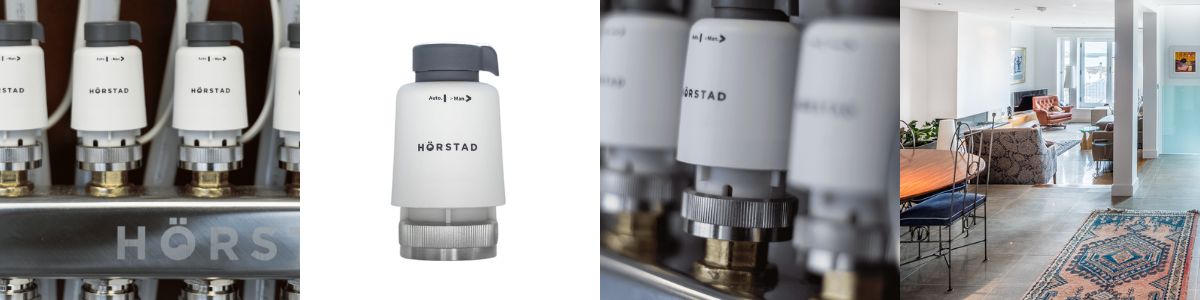
How Actuator Valves Work
Actuator valves typically operate using the following mechanism:
-
Inside the actuator is a small wax element.
-
When energised, the wax heats and expands.
-
This expansion pushes a pin that opens the valve.
-
When power is removed, the wax cools and contracts, allowing the valve to close.
Benefits:
-
Quiet operation
-
Reliable, low maintenance
-
Ideal for multi-zone UFH systems
Why Actuator Valves Are Important
1. Accurate Zone Control
UFH systems rely on temperature zoning to manage comfort room-by-room.
Actuator valves allow each area of the home to operate independently, ensuring every space receives exactly the heat it needs.
2. Improved System Efficiency
By only opening valves for areas that actually require heat, actuator valves reduce:
-
Unnecessary water circulation
-
Boiler/heat pump cycling
-
Energy consumption
This leads directly to lower running costs and improved system efficiency.
3. Balanced and Consistent Heating
Without actuators, water would flow freely across all circuits, causing:
-
Overheating in some rooms
-
Underheating in others
-
Uneven floor temperatures
Actuator valves ensure balanced and predictable performance across every loop or zone.
4. Integration With Smart Controls
Modern heating controls — smart thermostats, zoned systems, and app-based scheduling — rely on actuator valves to operate.
Without them, zoning simply wouldn’t be possible.
They act as the “muscle” behind the thermostat’s instructions, turning digital commands into real-world mechanical changes.

